

From Tim Atkin: Marketing Natural Wine

I recall a conversation I had with one of the new people I met when I first moved to Madrid. She’d found out that I worked in wine. “In wine?” she said in excitement. “There’s a great wine bar in Lavapiés you must try! They sell natural wines, it’s really good.” I took out my phone, pinned it on the map, noted in parenthesis that it's a natural wine bar. In the two years since, I haven't been once.
I don’t know what the rest of the wine industry thinks of the natural wine movement, and I don’t speak for anyone else, but as for me, well, what is an un-natural wine anyway? Where do we draw the line? Does the vine itself need to crush its grapes and bottle its own juice?
Perhaps my scepticism stems as much from the movement’s nebulous definition as it does from the foul wine I was served in a trendy wine bar in Shoreditch, or from the sommelier insisting that it was supposed to taste like that, that there was nothing wrong with the wine. The implication, of course, was that there was something wrong with me, my palate, that I simply didn't understand natural wine. It was ten years ago. Since then, natural wines have become cleaner, or so I'm told, and it's no longer natural wine; it's low-intervention wine.
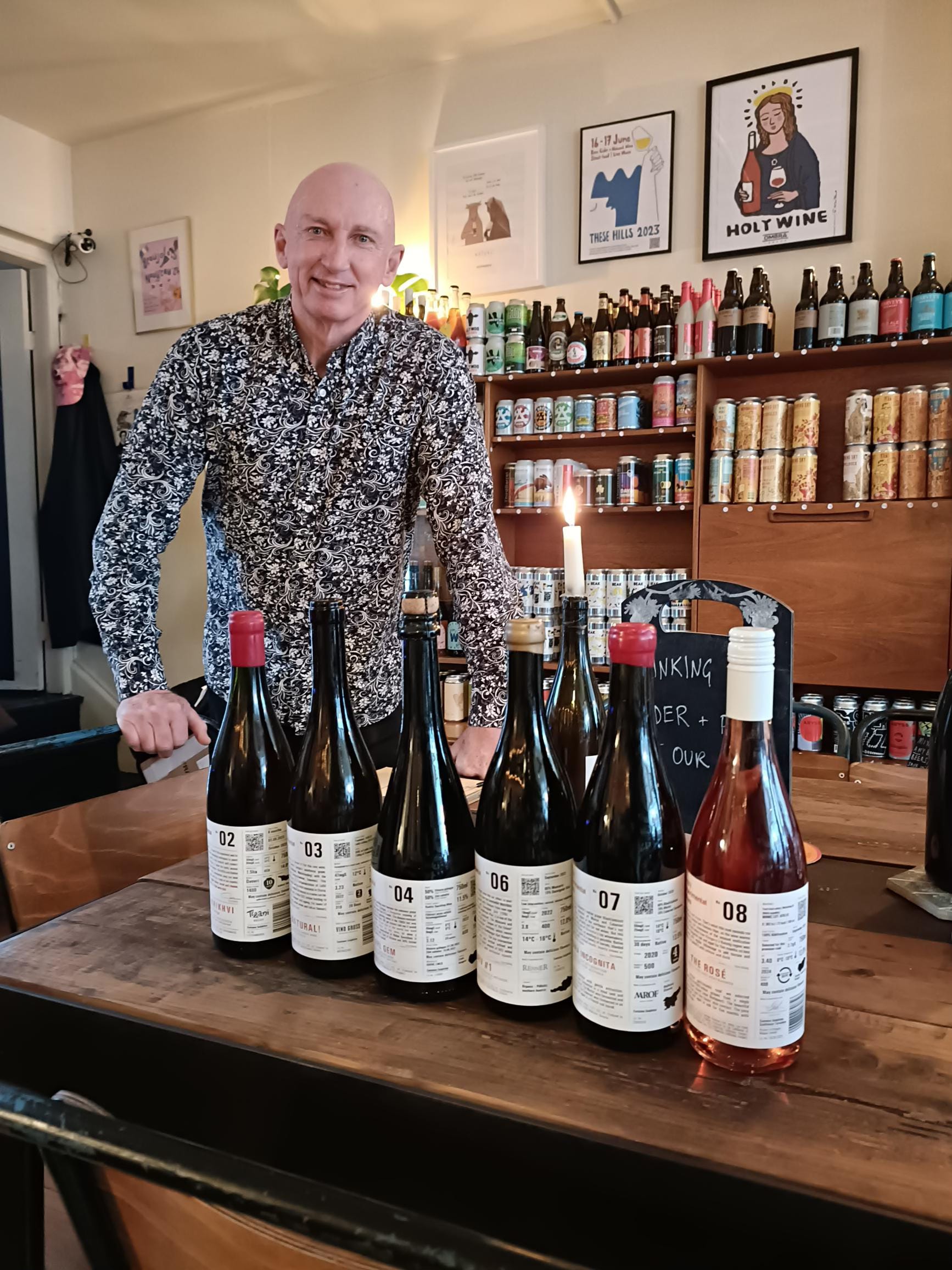
And you'd be wrong to think this is a piece to disparage natural wine. Quite the opposite. Despite my personal prejudice, I've discovered that some of the finest wines I've tasted have been marketed as natural—Gravner being an obvious example—and there are many others I'm eager to try, among them Chris Boiling's Crazy Experimental Wines, which we'll come back to shortly.
This is an exploration of natural wine's remarkable success, and whether some of the factors behind that success can be applied to the rest of the wine world.
